You'll Get Enough Protein. Here's Where It Actually Comes From.
The most common concern about eating vegan, answered with specifics.

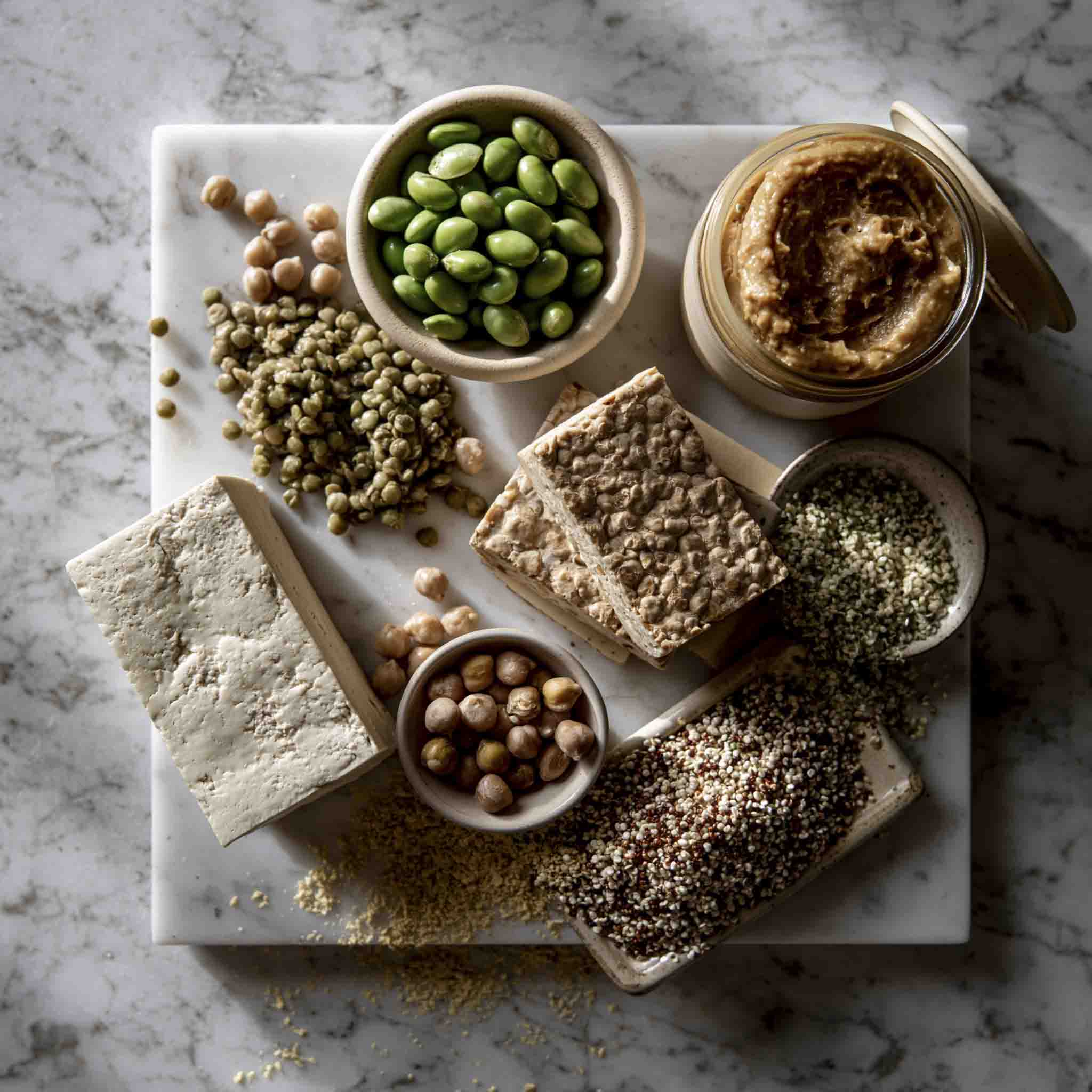
The protein question is the first one most people ask when they hear you're eating vegan, and it's worth taking seriously rather than dismissing. The concern isn't unfounded — protein matters, most people associate it with meat, and the alternatives aren't always obvious. The good news is that plant-based eating has no protein problem. What it has is a visibility problem: the sources are everywhere, they're cheap, and most of them have been central to cooking traditions around the world for centuries. You just might not have been paying close attention to them.
Legumes are where most of your protein will come from, and for good reason — they're dense, cheap, versatile, and available in every supermarket. Lentils contain around 18g of protein per 100g dry weight; chickpeas around 19g; black beans and kidney beans around 21g. A bowl of dal, a plate of hummus and bread, a chickpea curry — all meaningful protein hits, not incidental ones. If you cook with legumes regularly, you're covered on protein most days before you've thought about anything else.
Tofu, tempeh, and edamame are the most concentrated plant protein sources. Firm tofu has roughly 8g per 100g, tempeh around 19g, edamame around 11g. Tempeh is underused — it's more flavourful than tofu straight from the pack, takes on marinades well, and works in everything from stir-fries to sandwiches. Seitan, made from wheat gluten, hits around 25g per 100g and has a meaty texture that makes it useful in dishes where you want some chew. It's not suitable for anyone avoiding gluten, but for everyone else it's worth trying.
The less obvious sources add up more than people expect. Rolled oats have around 13g per 100g — a bowl of porridge is a meaningful start to the day. Quinoa is a complete protein at around 14g per 100g and contains all nine essential amino acids, which is relatively rare in plant foods. Nutritional yeast — the savoury flakes that add a cheesy, umami flavour to sauces and pasta — provides around 8g per two tablespoons. Hemp seeds, pumpkin seeds, and almonds all contribute 5–7g per small serving. None of these alone makes a big difference; together across a day, they add up quietly.
A reasonable target for most adults is around 50–60g of protein per day, higher if you're active. A day that includes oats at breakfast, a lentil-based lunch, tofu or tempeh at dinner, and a handful of nuts as a snack gets you there without any deliberate planning. The recipes on this site are built around ingredients that happen to be high in protein — not because protein is the focus, but because the best plant-based food tends to start with lentils, chickpeas, beans, and tofu anyway. The answer to 'where do you get your protein?' is, more often than not: from dinner.
Comments (0)
No comments yet — be the first!
Sign in to leave a comment.